30fps & Ray-Traced GI on Base PS5: Breaking Down Digital Foundry’s Technical Verdict
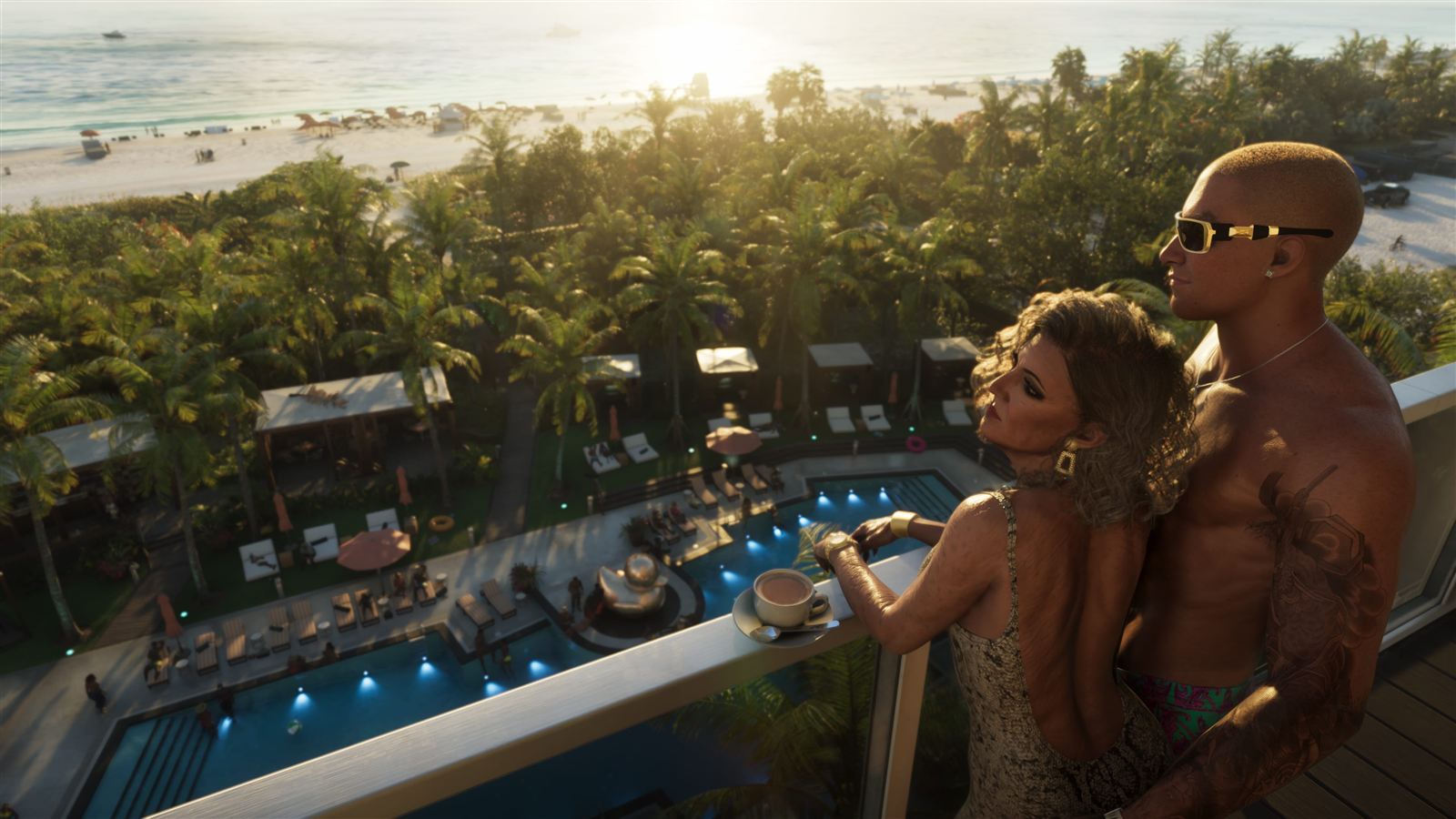
Why native ~1440p upscaled to 4K with mandatory hardware ray-traced lighting makes a 60fps launch toggle nearly impossible on console CPUs.
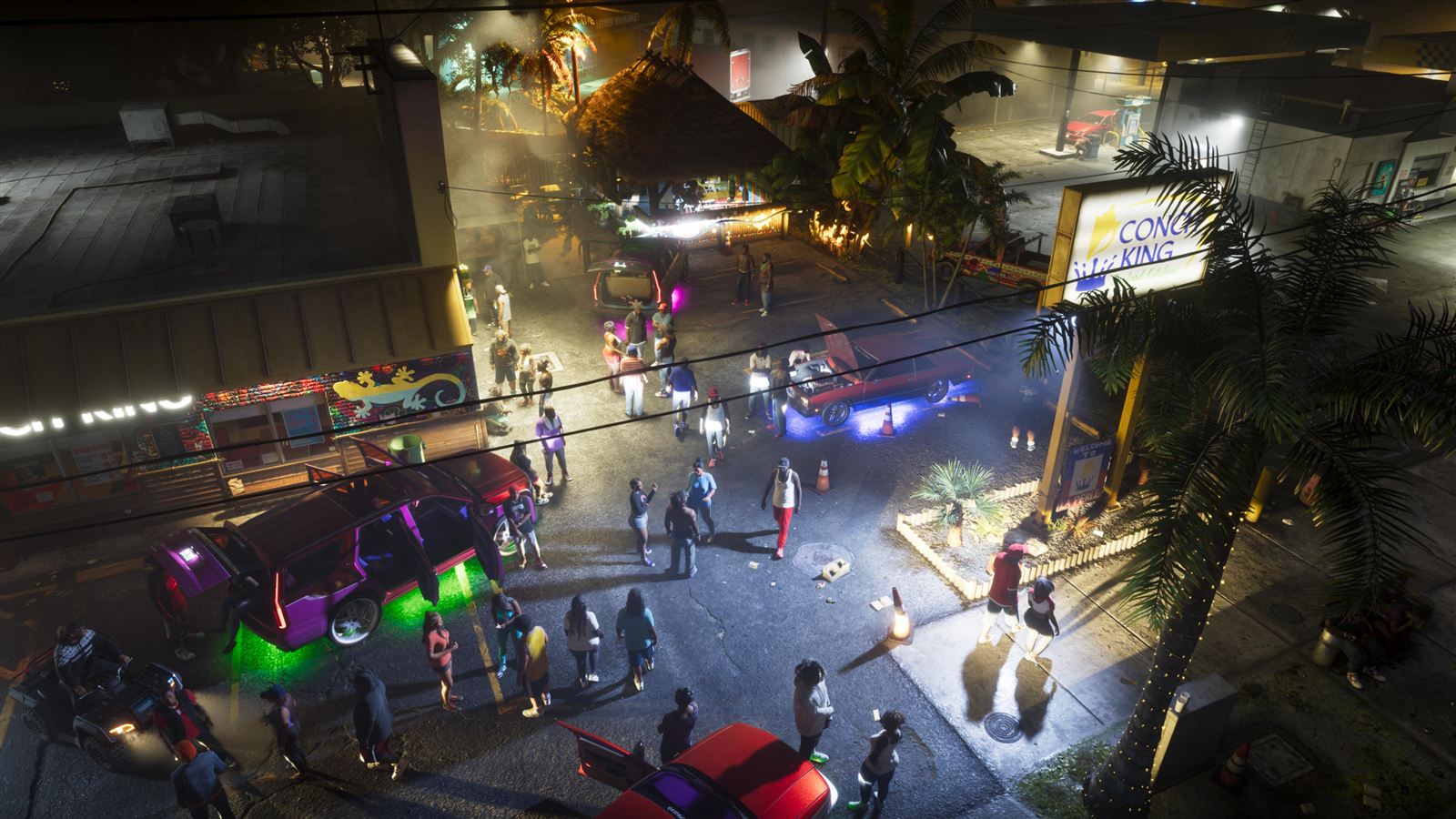
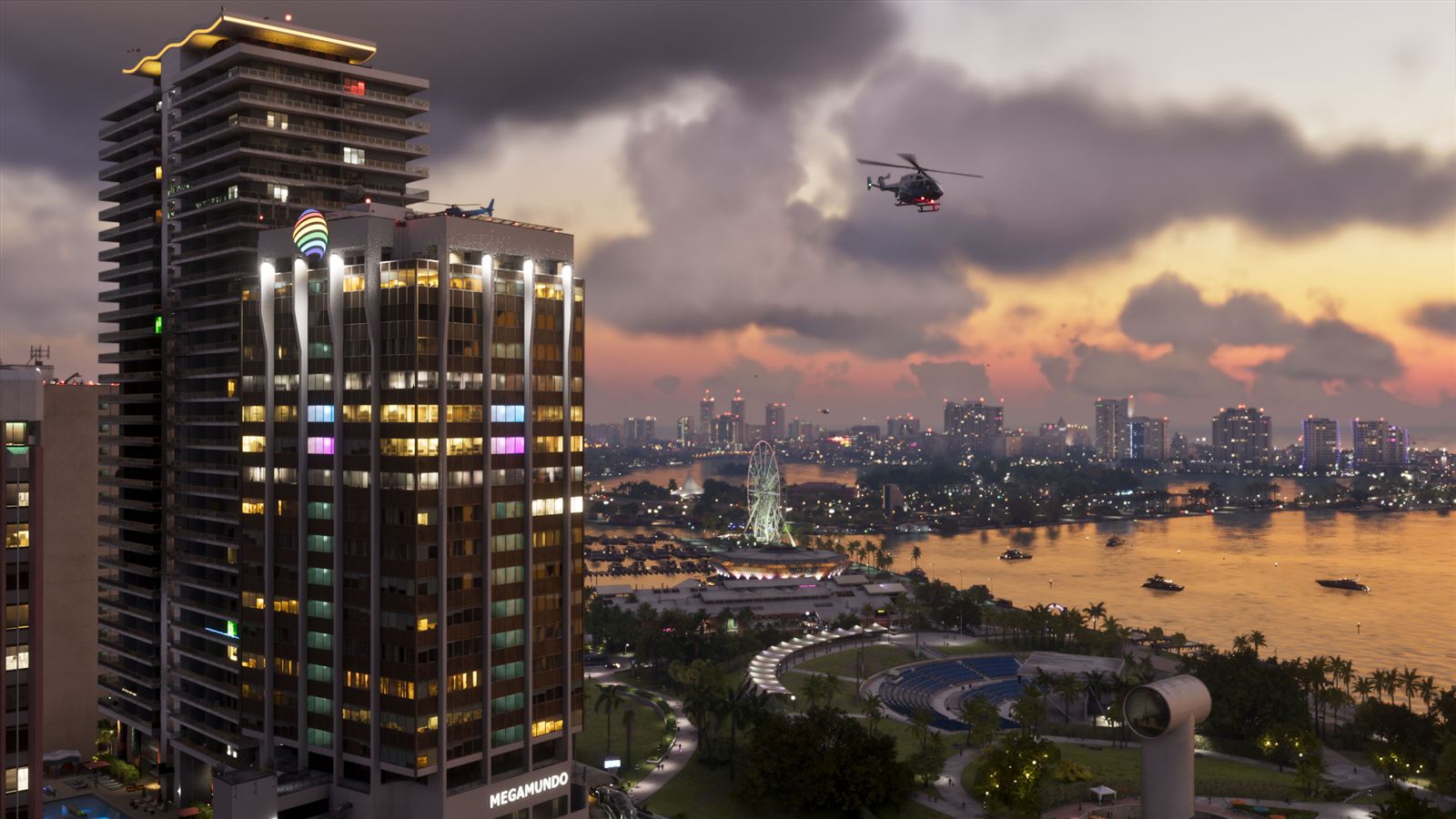
Every console blockbuster faces the frame-rate question, and pixel-counters at Digital Foundry have delivered a clear-eyed diagnosis on Grand Theft Auto VI: Rockstar built Leonida’s entire visual identity around ray-traced lighting and extreme CPU world simulation at 30 frames per second.
The Ninth-Gen RAGE Rendering Breakdown
| Subsystem | Analyzed Target | Engineering Trade-Off |
|---|---|---|
| Frame Rate | Locked 30 FPS | CPU budget dedicated to behavioral NPC AI, traffic, and physics |
| Internal Resolution | ~1440p (2560×1152 in 20:9 scenes) | Reconstructed cleanly to 4K output via FSR-like temporal upscaling |
| Global Illumination | Hardware Ray-Traced GI (RTGI) | Baked lighting can’t handle dynamic time-of-day across a map 2.5× GTA V |
| Reflections | Hybrid Ray-Traced Reflections | Visible on car clearcoat, ocean chop, puddles, and shopfront glass |
| Shadows | High-Res Rasterized Shadow Maps | Saves precious ray budget for bounce light and mirror surfaces |
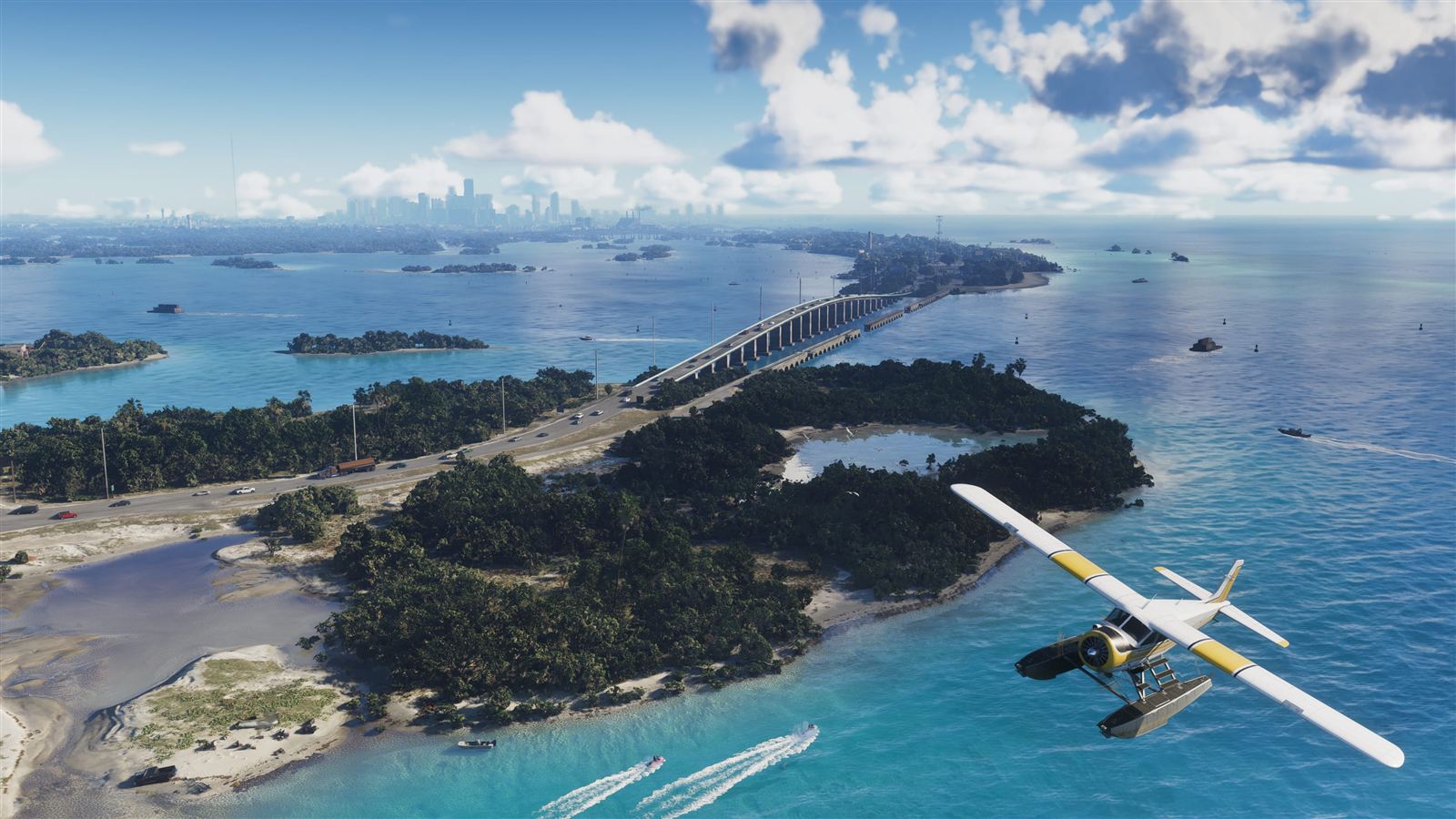
Why You Can’t Just ‘Turn Off RT’ for 60fps
When a studio designs art assets strictly around real-time RTGI, stripping ray tracing out breaks interior shading unless artists author a second, fallback lighting pass for the entire state. Factor in Zen 2 console CPU limits running dense Vice Beach crowds, and a rock-steady 30fps frame-time becomes the logical engineering call for console launch.